




-

Fast & accurate BAC testing
Platinum fuel cell technology. Accurate to ±0.005%BAC. AS3547 certified.
-

Sleek & pocket-sized
Handy to carry around. Take a test whenever you want, wherever you go.
-

Reliable after-sales service
Highly-reviewed breathalyzers and customer service. Service centre based in Malaysia.


Personal breathalyzers built to last
-
COMPACT, LIGHTWEIGHT AND FAST FUEL CELL BREATHALYZER
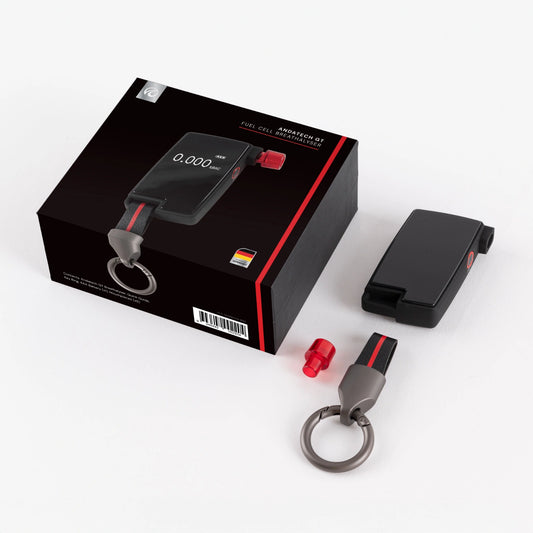
Andatech GT Fuel Cell Breathalyzer
Get a quoteRegular priceUnit price per -
10 TESTS RECALL AND CALIBRATION REMINDER
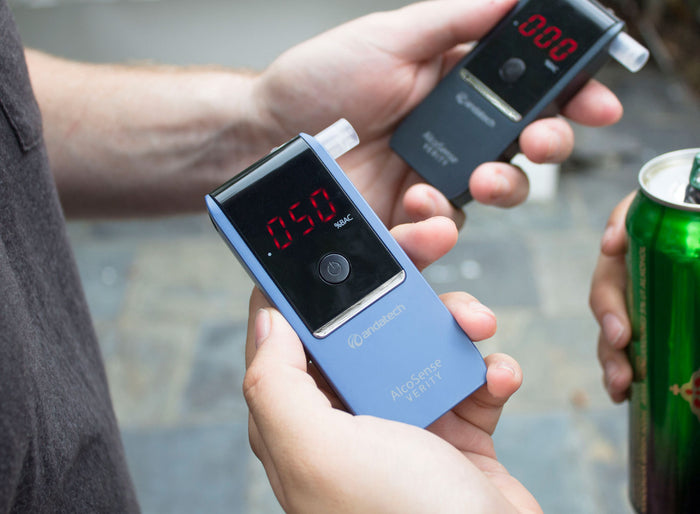
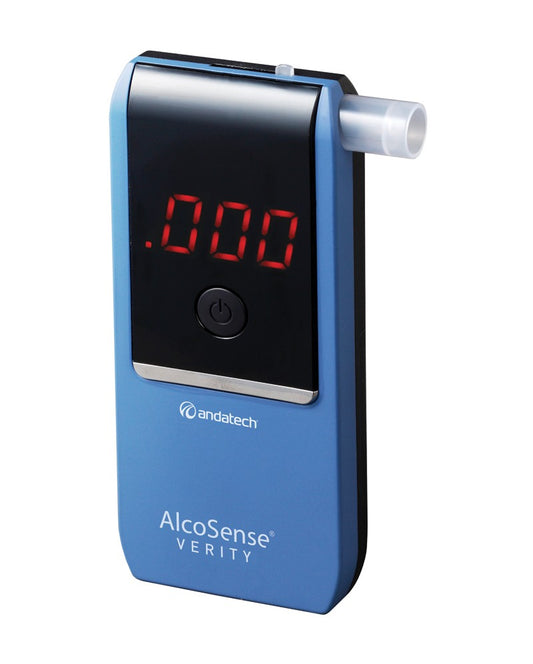
AlcoSense Verity Personal Breathalyzer
Get a quoteRegular priceUnit price per -
EASY-TO-USE PERSONAL BREATHALYZER
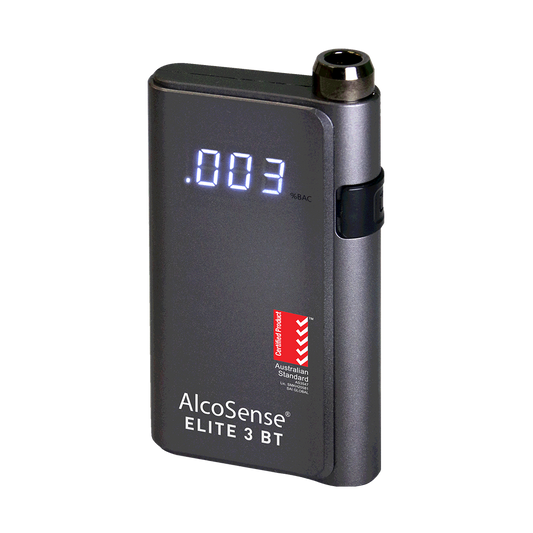
AlcoSense Elite 3 BT Smartphone Breathalyser
Get a quoteRegular priceUnit price per -
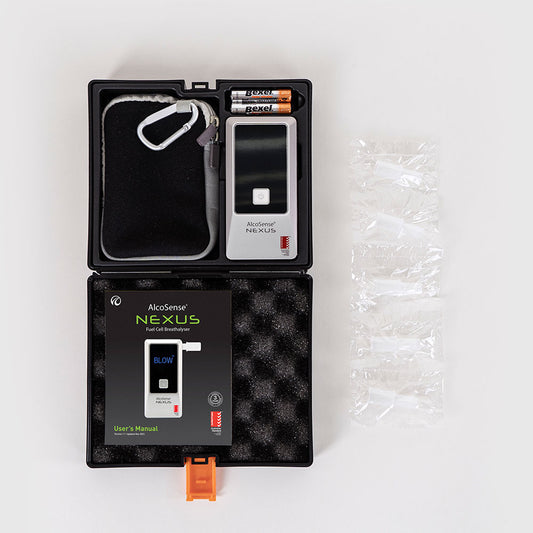
AlcoSense Nexus Smartphone Breathalyser
Get a quoteRegular priceUnit price per




A trusted Australian breathalyzer brand since 2004
-

Eliminate any uncertainty when it comes to judging how affected you are by alcohol.
AlcoSense Nexus personal breathalyzer lets you know if you’re OK to drive— Stephen Fenech
-

Provides you with some context around the impact one, two, three or four drinks has. It may surprise you how little it takes to hit the legal limit.
The real reasons to own a breathalyzer— Geoff Quattromani
-

Way cheaper than a DUI fine or loss of licence, very accurate.
Andatech AlcoSense breathalyzer helps stop DUI— Ray Shaw
-

Very convenient, and – coupled with common sense – does provide reassurance in those situations where driving is unavoidable.
Product Review: AlcoSense Elite 3 personal breathalyzer— Matt Kirkegaard
-

This simple gadget stashed in your glovebox could mean the difference between being in the back of an Uber and the back of a divvy van.
A must-have for your car (and next party)— Luke Hopewell
-

Now I have a better appreciation of what it feels like to be .05. Highly recommend this as a preventative to being a risk behind the wheel, keep it in your car!
Alcosense Personal Breathalyzer


Frequently asked questions
Which personal breathalyzer is best for checking before I drive?
The best personal breathalyzer is one certified to Australian Standard AS3547 and backed by a calibration service. Andatech Malaysia supplies AlcoSense personal breathalyzers that meet AS3547, are covered by a 3 year manufacturer's warranty and can be calibrated at our local office. Compare the models above or contact our team for a recommendation.
How accurate is a personal breathalyzer?
A certified personal breathalyzer gives a reliable estimate of your breath alcohol level. AlcoSense personal breathalyzers are certified to Australian Standard AS3547 for accuracy and reliability, and calibration every 12 months keeps readings accurate. No breathalyzer replaces a police test, so treat the reading as a guide rather than legal proof.
How often should a personal breathalyzer be calibrated?
A personal breathalyzer should be calibrated every 12 months. Andatech Malaysia offers calibration at its local office, so your AlcoSense personal breathalyzer keeps giving accurate readings throughout its 3 year manufacturer's warranty.
What is the drink driving limit in Malaysia?
The drink driving limit in Malaysia is 50 mg of alcohol per 100 ml of blood, or 22 µg per 100 ml of breath, under the Road Transport Act 1987. Because alcohol affects people differently, the safest choice is not to drink and drive at all.
Can a personal breathalyzer tell me it is safe to drive?
No. A personal breathalyzer shows your estimated breath alcohol level, but alcohol affects reaction time and judgement even below the legal limit. If you have been drinking, use a taxi, ride-share or a designated driver instead of relying on a reading.
How do I use a personal breathalyzer correctly?
Follow the instructions for your model, and wait at least 15 minutes after your last drink, meal or cigarette before testing. Blow steadily into the mouthpiece for the full time the device asks, then read the result. Testing the same way each time gives more consistent readings.